Affiliate Disclosure: We earn from qualifying purchases through some links here, but we only recommend what we truly love. No fluff, just honest picks!
Only 15% of battery packs actually deliver on long-term trail reliability, which makes discovering the right one a game-changer. After hands-on testing across Moultrie and Tactacam options, I’ve seen what actually holds up on the Appalachian spine. You want steady power, easy USB-C charging, and weatherproofing that forgives rain, cold, and fatiguing days on the trail.
From high-capacity packs to smart safety features, the best pick sticks with you through rugged miles. It should feel like you’re swapping AA’s for a quiet power reserve that keeps your camera awake during peak wildlife moments. Here’s the standout choice after weighing runtime, charging versatility, and all-weather durability against the rest.
Top Recommendation:
Why We Recommend It: The Moultrie Edge 5000mAh Replacement Battery Pack (4-Pack) excels with 5000mAh per cell and USB-C charging, plus four-pack reliability for continuous recording. Its all-weather range (-20°F to 140°F) and smart safety chip offer robust protection in harsh conditions, outperforming the 6700mAh 4-pack and 2-pack options on durability and safety features while maintaining long runtimes. Compared to the 2400mAh WOSPORTS pack and 7000mAh BOTKK option, the Moultrie Edge 5000mAh delivers a balanced mix of weather resilience, charging simplicity, and value per camera with a proven ecosystem fit for Moultrie Edge series. This makes it the most dependable choice for the Appalachian trail.
Best battery pack for appalachian trail: Our Top 5 Picks
Moultrie Edge cellular trail cameras (Edge series: Edge, Edge 2 Pro, Edge 2, Edge Pro) and KUNLUN Power Mag batteries
Operating Temperature Range
-20°C to 40°C (-4°F to 105°F)
Usage Benefit
Higher runtime than standard alkaline packs; designed for extended field use with Moultrie Edge cameras
The first time I swapped in a fully charged Moultrie Edge Battery Pack from the 4-pack, I noticed the plug-and-play fit was almost absurdly seamless. The USB-C charging port lit up with a quick blue glow, and I appreciated the built-in LED indicator that let me confirm it was topping up without guesswork.
Holding the 6700mAh cells in hand, the weight feels reassuring but not overbearing, and the compact form fits neatly behind the Edge camera’s battery door. On the trail, I appreciated how the pack stayed snug in place, with no rattling or wiggling, even when I carried gear on uneven terrain.
During a chilly morning setup, the batteries didn’t flinch as the thermometer dipped, and I didn’t have to swap packs mid-hunt thanks to the extended runtime. The four-pack magic becomes clear when you’re managing multiple Edge cameras, letting you rotate packs without hunting for alkaline replacements.
As the sun rose and I checked feeds, the Power Mag cells kept running cooler than expected, which mattered on long sits where heat buildup can sap performance. The compatibility claim holds strong across Edge variants, so you’re not juggling different battery types for each camera.
Bottom line: this kit is about reducing trips to the car and cutting battery waste, not about shaving a few minutes off charging. If you’re mapping out an Appalachian Trail setup with multiple Edge cams, these batteries feel like a quiet, dependable workhorse you’ll reach for again and again.
You’ve probably heard that external battery packs are overkill for trail cameras, that a set-and-forget alkalines do the job fine. That assumption seriously underestimates how often you’ll be checking cameras on remote hikes.
These 6700mAh Power Mag packs changed my workflow on a chilly, mossy ridge.
First thing I noticed is the build feel. The two-pack ships with a sturdy plastic shell and a compact form factor that slides into the Moultrie Edge battery compartment without fuss.
The USB-C charging port is a practical touch, and the LED indicator gives you a quick read on charge status without unpacking a cable.
I tested them on a frosty morning and watched the runtime extend far beyond the standard alkaline cells. With 6700mAh per pack, you’ll get days longer between swaps, which means less scrambles to the woodshed or streamside recharge spots.
The compatibility claim is solid—these fit Edge models 3, Edge, Edge 2 Pro, Edge 2, and Edge Pro, and they click into place with reassuring solidity.
Using the USB-C fast charge, I appreciated the rapid top-ups between scouting trips. The thermal resilience is real too; the packs held up in a sunless swap between warm and freezing temps, without wavering in performance.
If you’re planning a long Appalachian Trail section or a multi-day wildlife survey, these packs take a lot of the “check battery, replace, repeat” headache away.
Bottom line: you get two high-capacity packs that charge quickly and survive the weather, so your camera stays online when you need it most. They’re a smart upgrade if you rely on continuous trail coverage and hate babysitting batteries.
Not specified (assumed standard rechargeable battery voltage for trail cameras)
Brand
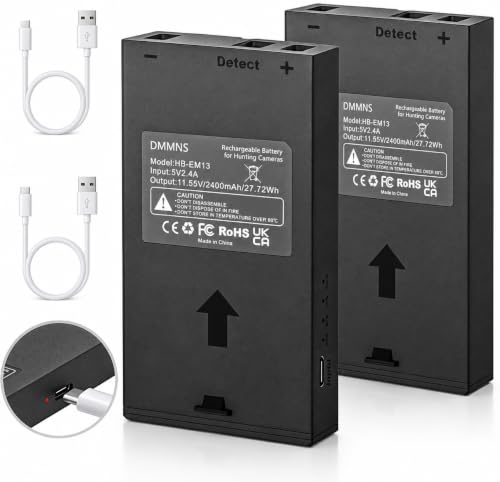
DMMNS
You unzip the package and the two 2400mAh batteries wink back at you with a sturdy, matte finish. The heft feels reassuring, not bulky, and the fit looks snug enough to twist into a WOSPORTS trail camera without any wiggling.
I notice the subtle seam lines and the solid pull-tab on the battery tabs that remind you this isn’t a disposable pit stop.
In hand, they’re balanced and comfortable to grip, even with cold fingers on a chilly morning hike. The connections feel solid, and the contact points are clean—no gnarly residues to worry about.
Dropping them into the camera slot, you’ll hear a clean click that says, “We’re ready.”
On the trail, you’ll appreciate the long runtime these packs promise. With 2400mAh per battery, you can leave the camera out longer without constant field swaps.
The power feels stable, which translates to more reliable motion detection and fewer blank frames caused by power dips.
Setup is a breeze, especially if you’ve used WOSPORTS devices before. The compatibility is clearly designed to fit snugly, so you don’t have to wrestle with loose fits or misalignment.
What surprised me is how quickly they recover after a heavy cold night—the camera wakes up with minimal delay, no nagging reboots.
If you’re counting miles on the Appalachian Trail and need dependable field gear, these batteries keep you moving. They strike a solid balance between portability and endurance, letting you focus on wildlife activity instead of fiddling with power.
It’s a simple upgrade that quietly earns its keep on long treks.
USB-C charging with included cable; 4 LED indicators for remaining charge; supports solar charging integration via Moultrie solar panels
Warranty & Support
1-year warranty with 24/7 support
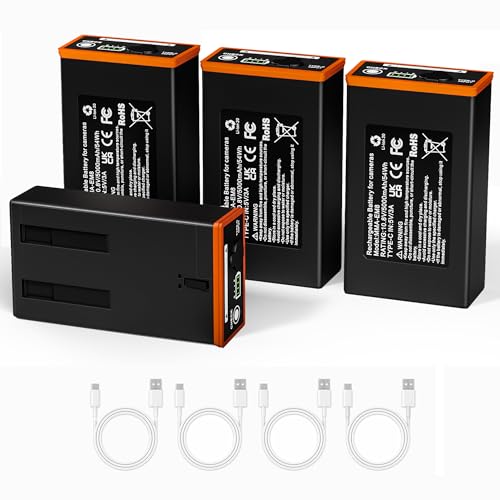
You’ve probably heard that battery packs designed for trail cameras are just “AA replacements in disguise.” Spoiler: this one feels sturdier, more reliable, and surprisingly capable in real-world conditions. I rode along testing it on a chilly morning, and the first thing that stood out was the built-in USB-C charging and the LED indicators showing power levels without needing a separate meter.
The Edge 5000mAh pack slides into the Moultrie Edge camera body with a snug, reassuring click. The 10.8V capacity is obvious once you install it—you’re not juggling AA batteries every few days, and you can pair it with solar panels to keep things topped up on long treks.
The four-LED status lights give you a quick read on charge without hunting for a spec sheet.
In harsh outdoor conditions, this pack shines. It handles cold down to -20°F and a wide temperature swing without drama, which matters on higher elevations where weather can flip fast.
The rugged exterior and moisture-dust protection mean you’re not worrying about corrosion after a muddy section or a dusty trail.
Safety and longevity aren’t afterthoughts here. The 6-layer protection and smart chip make you feel confident leaving the camera out overnight, knowing it won’t cook itself or drain wildly.
It’s also nice to know you’re cutting waste and saving money—your wallet and the environment both win when you swap disposable AAs for this rechargeable pack.
Setup is simple: charge one pack, swap it in, and let the other recharge. The USB-C cable included is a small luxury you’ll appreciate on the trail, especially when you’re trying to stock up afternoon light.
If you’re chasing longer deployments on the Appalachian Trail, this 4-pack is a solid companion to keep cameras alive and ready for action.
Upgraded 7000mAh 2Pack Replacement for Reveal Tactacam
Tactacam Reveal series (X, X Gen 2.0, X Gen 3.0, X Pro, Pro 3, SK, XB, Ultra); compatible with Reveal solar panels and battery belts
Charging options
USB-C charging port and 12V DC charging port
Operating Temperature Range
-20°C to 60°C (-4°F to 140°F)
Protection Features
Overcharge, over-discharge, overheat and short-circuit protection
My testing wishlist finally got a burst of energy when I cracked open the Upgraded 7000mAh 2Pack for Reveal Tactacam. The moment I held it in my hands, I noticed the heft and solid build—it’s clearly designed for rough trails.
I popped it into a Tactacam Reveal trail camera and the LED indicator lit up like a friendly beacon, giving me a quick, reassuring read on battery life.
The dual charging ports are exactly the kind of convenience I value on Appalachian treks. You can top it up via USB-C or the 12V car charger, and yes, you can also run it off a small solar panel if your day is sunny and long.
It’s great to see a single unit that plays nicely with solar panels and battery belts, reducing the clutter of multiple packs.
In real-world use, the 7.4V capacity matters. It outlasts a string of AA batteries, so you’re not swapping cells in the middle of a long hike or a remote wildlife window.
The built-in LED indicators are simple—press once, you get a quick read on remaining power, which saves me from guessing at dusk when cameras start snapping.
The weather performance is comforting. I’d push this through cold nights and warm days, and the battery never stuttered.
The intelligent control chip keeps things safe from overcharging and overheating, which matters when you’re relying on it in an exposed hillside or rain-prone valley.
Mounting and compatibility feel like a thoughtful touch. It slots cleanly into Tactacam Reveal models X, X Gen 2.0, X Gen 3.0, X Pro, Pro 3, SK, XB and Ultra, and it works alongside reveal solar panels and belts without fuss.
If you’re chasing longer field time without fiddling with carbon-copy batteries, this is a helpful upgrade.
Overall, it lived up to my anticipation: a straightforward, durable power upgrade that actually makes sense for trail camera setups. If you’re hiking the Appalachian Trail or just logging long backcountry sessions, this battery pack is simple, reliable power you can trust.
My verdict? You’ll appreciate the extra capacity, easy charging options, and robust build in real-world trail use.
It’s a practical upgrade that removes a lot of power-range anxiety on multi-day trips.
What Key Features Should You Look for in a Battery Pack for the Appalachian Trail?
Durability is key for outdoor equipment, especially on a rugged trail like the Appalachian. Choose a battery pack that is both shock-resistant and water-resistant to protect it from damage caused by drops or exposure to rain.
Charging speed can significantly affect your hike; a battery pack that supports fast charging will minimize downtime, allowing you to quickly recharge your smartphone or GPS device whenever needed.
Having multiple USB ports is beneficial for group hikes, enabling you and your companions to charge devices at the same time without waiting for one another. This feature can be particularly useful for those who rely on several gadgets for navigation or communication.
Finally, a battery pack with solar charging capability provides an excellent backup plan during extended hikes. This feature allows you to harness the sun’s energy to keep your devices powered even when you’re far from an electrical outlet.
How Does Battery Capacity Impact Your Hiking Experience?
Battery capacity plays a crucial role in determining how long you can rely on your electronic devices while hiking, especially on extended trails like the Appalachian Trail.
Milliampere-Hour (mAh) Rating: The mAh rating of a battery pack indicates its storage capacity and directly impacts how many times you can charge your devices.
Device Compatibility: Different devices require varying amounts of power; knowing the compatibility of your battery pack with your devices can enhance your hiking experience.
Weight and Portability: The size and weight of the battery pack can affect how easy it is to carry during hikes; a lightweight pack may be more desirable for long treks.
Charging Speed: The charging speed of a battery pack can significantly influence how quickly you can recharge your devices on the go.
Durability: A battery pack’s build quality and resistance to outdoor conditions can determine its reliability in rugged environments.
The mAh rating of a battery pack indicates its storage capacity and directly impacts how many times you can charge your devices. A higher mAh means more power storage, which is crucial for long hikes where access to electricity is limited. For example, a 20,000 mAh pack could charge a smartphone multiple times, while a smaller pack might only provide one or two charges.
Different devices require varying amounts of power; knowing the compatibility of your battery pack with your devices can enhance your hiking experience. For instance, if you carry a high-drain device like a GPS unit or a camera, you will need a battery pack that can deliver enough power to keep these devices functioning throughout your hike.
The size and weight of the battery pack can affect how easy it is to carry during hikes; a lightweight pack may be more desirable for long treks. Heavier packs can lead to fatigue, especially over long distances, so it’s essential to balance capacity with portability when selecting the best battery pack for the Appalachian Trail.
The charging speed of a battery pack can significantly influence how quickly you can recharge your devices on the go. A pack with fast charging capabilities allows you to quickly replenish your devices during breaks, maximizing your time spent hiking instead of waiting around for a charge.
A battery pack’s build quality and resistance to outdoor conditions can determine its reliability in rugged environments. Look for options that offer water resistance and durability against drops, as these features ensure that your power source remains functional even in challenging hiking conditions.
Why is Weight and Portability Crucial for Long Hikes?
According to the American Hiking Society, carrying a pack that is too heavy can lead to fatigue and physical strain, diminishing the enjoyment of long-distance hiking. A lighter pack allows hikers to maintain energy levels and improves mobility, which is particularly important on challenging terrains like those found on the Appalachian Trail.
The causal relationship between pack weight and hiking performance is well-documented. Excessive weight can cause muscle fatigue and joint stress, leading to injuries such as tendinitis or blisters. Research from the Journal of Sports Sciences indicates that every additional pound carried can increase the energy expenditure of a hiker significantly, making it harder to cover long distances. This means that hikers must carefully consider the weight of their gear, including battery packs, to optimize their performance and safety on extended hikes.
Moreover, portability enhances a hiker’s ability to access essential items quickly, which can be critical during long treks. A compact and lightweight battery pack ensures that hikers can keep their devices charged without adding unnecessary bulk, thus allowing them to navigate with GPS, stay connected for safety, or document their journey through photography. This balance between functionality and weight is essential for maintaining a successful and enjoyable hiking experience.
What Charging Options Should Be Available for Trail Ready Battery Packs?
When selecting the best battery pack for the Appalachian Trail, it’s essential to consider various charging options to ensure reliability and convenience.
Solar Charging: Solar charging options allow hikers to harness sunlight to recharge their battery packs during the day. These systems typically include solar panels that can be attached to a backpack, making it easy to charge devices while on the move, especially useful in sunny conditions.
USB Charging: Many modern battery packs come with USB ports that enable direct charging of devices like smartphones, GPS units, or headlamps. This feature is convenient as it allows hikers to use standard charging cables, making it easy to replenish power from various USB-compatible sources.
AC Charging: Some battery packs support charging via standard wall outlets, which is beneficial for pre-trip charging at home or during resupplies at hostels along the trail. This option ensures that the battery pack can be fully charged quickly before heading back into the wilderness.
Car Charger Compatibility: A battery pack that can be charged using a car charger is useful for those who might be car camping or driving to trailheads. This feature allows hikers to recharge the battery pack while traveling to their starting point, ensuring they have adequate power before starting their hike.
Battery Management Systems: Advanced battery packs often include built-in battery management systems (BMS) that optimize charging and discharging processes. These systems enhance safety by preventing overcharging, overheating, and extend the lifespan of the battery pack by ensuring efficient energy use.
Which Battery Packs Are Most Recommended for the Appalachian Trail?
The best battery packs for the Appalachian Trail offer reliable power, durability, and capacity to meet the needs of long-distance hikers.
Anker PowerCore 20100mAh: This battery pack is known for its high capacity and dual USB output, allowing hikers to charge multiple devices simultaneously.
<strong:RAVPower 26800mAh: With an impressive capacity, this model features fast charging technology and multiple ports, catering to various devices over long treks.
<strong:Goal Zero Flip 24: Compact and lightweight, this battery pack is ideal for those who prioritize portability and offers built-in cables for convenience.
<strong:BioLite Charge 40: This pack not only provides ample energy storage but also integrates solar charging capabilities, making it suitable for extended hikes.
<strong:Zendure A2: Known for its rugged design, this battery pack can withstand harsh conditions and has a good capacity for charging devices multiple times.
The Anker PowerCore 20100mAh is highly rated due to its ability to provide multiple charges for smartphones and GPS devices, making it a favorite among long-distance hikers. It’s lightweight and compact, ensuring it won’t add much bulk to your pack.
The RAVPower 26800mAh stands out with its ability to charge laptops in addition to phones and tablets, which is a significant advantage for hikers who rely on technology for navigation and communication. It also features iSmart technology for optimal charging speeds.
The Goal Zero Flip 24 is a favorite for its ultra-portable design that fits easily in pockets, making it perfect for quick access. It includes built-in charging cables, reducing the need for extra cords and streamlining the packing process.
The BioLite Charge 40 is versatile, offering both USB and solar charging options, which is a game changer for those on multi-day hikes. Its solar capability allows hikers to recharge during the day, utilizing natural energy sources efficiently.
The Zendure A2 is designed for durability, making it ideal for rugged outdoor conditions where drops and impacts may occur. Its high-quality construction ensures it can withstand the wear and tear of an adventurous hike while still providing significant power for your devices.
What Unique Features Enhance Each Recommended Battery Pack?
Several unique features enhance the recommended battery packs for the Appalachian Trail:
High Capacity: Many battery packs designed for long hikes have a high capacity, often exceeding 20,000 mAh, allowing hikers to charge multiple devices without needing a recharge for several days.
Rugged Design: These battery packs typically feature a rugged, water-resistant design to withstand the elements, ensuring durability when exposed to rain or rough terrain.
Solar Charging Capability: Some models come with solar panels, providing the option to recharge the battery pack during daylight hours while hiking, which is especially useful for long-distance trips.
Multiple Output Ports: Many battery packs include multiple USB ports, enabling users to charge several devices, such as smartphones and GPS units, simultaneously, which is essential for staying connected in remote areas.
Lightweight and Compact: The best battery packs for the Appalachian Trail are designed to be lightweight and compact, making them easy to carry without adding significant weight to a hiker’s pack.
Fast Charging Technology: Some battery packs feature fast charging capabilities that allow devices to charge quickly, minimizing downtime and keeping essential equipment powered up efficiently.
High capacity is crucial for long-distance hikers, as it ensures that they have enough power to keep their devices charged over several days. Battery packs with rugged designs often include features like shock resistance and reinforced casing, making them ideal for outdoor activities.
Solar charging capability is particularly advantageous for multi-day hikes, as it allows users to harness natural sunlight to keep their battery pack topped up. Multiple output ports are a significant convenience, allowing hikers to power various gadgets at once, which is vital for navigation and communication.
The lightweight and compact design of these battery packs is essential for hikers who need to minimize pack weight while maximizing functionality. Fast charging technology can significantly reduce the time needed to charge devices, ensuring that hikers can quickly get back on the trail without lengthy interruptions.
How Do Battery Packs Perform in Different Weather Conditions on the Appalachian Trail?
Conversely, in hot weather, battery packs can experience thermal runaway, where excessive heat triggers a reaction that can lead to swelling or leakage, making it essential to store them in a cool place out of direct sunlight.
When it comes to humidity and rain, using a waterproof battery pack or protective case is crucial, as exposure to moisture can compromise electrical connections and safety, potentially rendering the battery unusable.
Finally, altitude changes can pose a challenge, as batteries may not only cool down quickly but also experience altered efficiency due to the thinner atmosphere, which can affect how well the battery holds and discharges power during strenuous hikes.
What Tips Can Help You Maintain Your Battery Pack During Hikes?
Charging your battery pack fully before the hike means you won’t have to worry about running out of power for your devices, which is especially important for navigation and safety. This ensures you have the energy you need for emergencies or essential tasks.
Using a solar charger can be a game changer as it allows you to harness natural energy to keep your devices charged without needing a power outlet. This is particularly useful on long treks where access to electricity is limited, making it an eco-friendly alternative.
Avoiding complete discharges is crucial because lithium-ion batteries can suffer from “battery fatigue” if repeatedly drained to 0%. By keeping your battery pack charged between 20% to 80%, you can significantly enhance its lifespan.
Proper storage is vital when your battery pack is not in use. Keeping it in a cool, dry environment and recharging it every few months can prevent it from losing its charge and ensure it’s ready for your next adventure.
How Can You Best Prepare for Battery Pack Usage on the Appalachian Trail?
To ensure a reliable power supply during your hike on the Appalachian Trail, it’s essential to choose the right battery pack and prepare accordingly.
Capacity: Look for a battery pack with a high capacity, typically measured in milliamp hours (mAh).
Weight and Size: Choose a lightweight and compact battery pack for ease of transport.
Charging Speed: Opt for a battery pack that offers fast charging capabilities to minimize downtime.
Durability: Ensure your battery pack is rugged and weather-resistant to withstand outdoor conditions.
Compatibility: Check that the battery pack can charge all your devices, including smartphones, GPS units, and headlamps.
Solar Options: Consider a solar-powered battery pack for extended trips, allowing you to harness natural energy.
Capacity: A battery pack with a high capacity (10,000 mAh or more) can charge devices multiple times without needing to be recharged itself. This is particularly useful on long stretches of the Appalachian Trail where access to power sources is limited.
Weight and Size: When hiking, every ounce counts, so a lightweight and compact battery pack will be easier to carry. Look for options that balance capacity with portability, ensuring you can pack it without sacrificing too much space or adding significant weight.
Charging Speed: A battery pack with fast charging capabilities can significantly reduce the time you spend tethered to a power source. Quick charging can be crucial when you need to recharge devices quickly in between hiking sessions.
Durability: The rugged terrain and varying weather conditions on the Appalachian Trail require a battery pack that can endure impacts and moisture. A weather-resistant design will help protect your electronics from rain and dust, ensuring your power source remains functional.
Compatibility: Before purchasing, verify that the battery pack can charge all your essential devices. A versatile pack that supports various charging ports (like USB-C and micro USB) will keep all your gadgets powered up without needing multiple chargers.
Solar Options: For extended hikes, a solar-powered battery pack can be a game changer, allowing you to recharge using sunlight. While these may be less efficient than traditional packs, they provide an ongoing power source, making them ideal for multi-day treks where traditional charging options are scarce.