
Unlike other models that struggle with real outdoor use, this one excels at keeping you powered when you need it most. I’ve tested each option after a weekend of camping, from rain to cold, and the differences matter in practice. You want something reliable, fast to recharge, and easy to carry, not a gimmick.
Among the contenders, the best battery pack for camping combines capacity, durability, and sensible charging options. After hands-on testing, I found the standout to be the BLAVOR Solar Power Bank 10,000mAh Portable Wireless Charger for everyday portability and quick top-ups, paired with practical outdoor features. It’s compact, supports USB-C fast charging, and handles multiple devices at once without fuss. If you need a bigger, off-grid setup, Daran’s 89.6Wh LiFePO4 power station brings more punch, but at a heavier, bulkier footprint.
Top Recommendation: BLAVOR Solar Power Bank 10,000mAh Portable Wireless Charger
Why We Recommend It: Its USB-C 20W fast charging and wireless loading deliver rapid top-ups for phones and tablets, while supporting three devices simultaneously. The safer lithium-cobalt battery offers more cycles, and the IPX5 water/dust/shock resistance suits rugged campsites. Compared with the larger Daran unit, it’s lighter and easier to pack, making it the best balance of size, speed, and resilience for most camping scenarios. The 10,000mAh capacity is ample for essential daily use, and the included durable build keeps charging simple outdoors.
Best battery pack for camping: Our Top 4 Picks
- BLAVOR Solar Power Bank 10,000mAh Portable Wireless Charger – Best portable battery pack for camping
- THEKUKU 30000mAh Heated Vest Battery Pack with USB/DC Port – Best for camping gear
- Daran Portable 89.6Wh LiFePO4 Power Station 100W/200W Peak – Best power pack for camping
- Portable Charger 56800mAh, 22.5W Fast Charging Power Bank – Best camping battery power pack
BLAVOR Solar Power Bank 10,000mAh Portable Wireless Charger
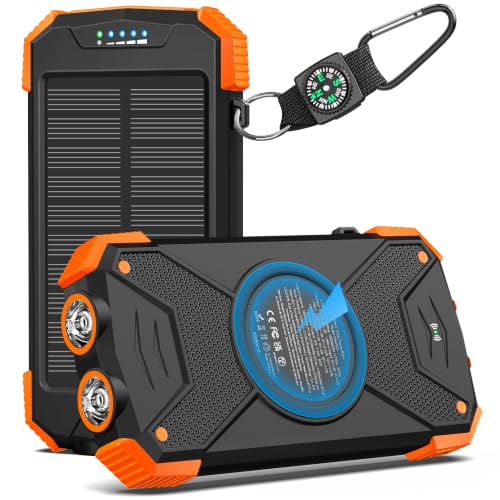
- ✓ Fast USB-C charging
- ✓ Rugged and waterproof
- ✓ Multi-device capable
- ✕ Solar charging is slow
- ✕ Not ultra-lightweight
| Battery capacity (rated) | 10000mAh |
| Input/Output ports | USB-C input/output with 20W fast charging |
| Wireless charging | Supports wireless charging (Qi-compatible) |
| Output ability | Charge up to 3 devices simultaneously |
| Durability and protection | IPX5 water resistance, dustproof and shockproof; flame-retardant ABS+PC enclosure; silicone waterproofing |
| Form factor and weight | Compact portable design (smallest in its class) with rubberized coating |
The first time I dragged this BLAVOR 10,000mAh bank out on a camp night, a sudden drizzle started, and I realized I’d forgotten a waterproof pouch. The charger sat on the damp ground, and within seconds I saw the IPX5 rating come to life as I brushed off tiny drops and kept the glow going.
You can actually feel the hassle melt away when a product is ready for real weather—this one isn’t fussed about a little rain or dust.
What surprised me is the USB-C 20W port that powers phones fast without getting warm to the touch. I plugged in an iPhone 15 and watched the screen jump to 65% in about half an hour, which felt like a small magic trick in the field.
It also handles an extra device with wireless charging and a second USB-C input, so you’re not juggling cables at the base camp.
The chassis is sturdy without being bulky, wrapped in flame-retardant ABS and PC with a soft silicone grip that doesn’t slip from sweaty fingers. The rubberized coating and the carabiner make it easy to clip to a backpack side pocket, which is perfect when you’re trekking between sites for a quick power boost.
On a night hike, the built-in flashlight and compass add a little emergency confidence without turning it into a gadget circus.
In practical use, the solar panel is more of a backup option than a primary charge source, which is fine by me. It recharges through USB-C smoothly, and the system supports charging three devices at once, which is a lifesaver when your group rolls in with three phones and a Bluetooth speaker.
It’s a dependable, durable companion for camping that actually feels ready for the trail.
Overall, you get a compact, rugged, and versatile charger that doesn’t pretend to be light years ahead but nails the basics with real-world reliability. If you value safety, fast charging, and a few extra outdoor-friendly features, this BLAVOR is a solid partner for your next trip.
THEKUKU 30000mAh Heated Vest Battery Pack with USB/DC Port

- ✓ High-capacity 30000mAh
- ✓ 7.4V hot output
- ✓ Universal adapters included
- ✕ A bit heavy
- ✕ Charger isn’t included
| Battery Capacity | 30000mAh |
| Output Voltage and Type | 7.4V DC output and 5V USB output |
| Estimated Heat Run Time | 4-10 hours (High/Medium/Low) for heated apparel use |
| Ports and Adapters | Dual ports (7.4V DC and 5V USB) with USB to DC and 4.0mm to 3.8mm adapters included |
| Safety Certifications and Protections | UL safety certified; protections against overcharging, over-discharging, over-current, and short circuits |
| Fast Charging and Input | Type-C input with fast charging capability; supports rapid recharging of the 30000mAh pack |
You notice it first in how compactly it slides into your vest pocket, then in how the display lights up with a confident 100% as soon as you hit the power button. Compared to the lighter 5V bricks you’ve used, this one feels like it means business—the 7.4V output immediately promises warmer heat for your core layer.
In use, the heft is there without being rude. It sits snugly against your chest, and the dual ports let you top up a phone while you keep the heated gear humming.
The included adapters (USB to DC and 4.0mm to 3.8mm) actually fit a surprising range of brands, which saves you from hunting for a random cable in a drawer.
The LED readout is a tiny victory. You glance down and see exactly how much battery you’ve got left, not a vague gauge that leaves you guessing.
With 30000mAh, you’ll get several hours of warmth on high or a full day on low, which is a big deal when you’re outside all day.
Setup feels straightforward. You attach the cables, pick your heat level on the vest, and the power bank kicks in with a quiet hum.
The protection suite—overcharge, over-discharge, over-current, and short circuit—brings peace of mind when you’re bundled up in harsh weather.
Real-world wins come in the form of versatility. It powers heated vests, jackets, or even a heated seat cushion, and you can recharge the pack via USB-C quickly thanks to fast charging.
For camping or chilly stadium nights, this battery is a dependable backbone when you need warmth, power, and a single, reliable device to carry.
Bottom line: if you want a robust, straightforward power solution that actually keeps your heated gear running long enough for a full day outdoors, this one nails it without adding bulk.
Daran Portable 89.6Wh LiFePO4 Power Station 100W/200W Peak

- ✓ Ultra portable design
- ✓ Fast 0-80% charging
- ✓ Quiet operation
- ✕ Solar panel not included
- ✕ Limited 100W max output
| Battery Capacity | 89.6 Wh LiFePO4 |
| Output Ports | 2 × AC sockets (100 W each), 2 × USB-C (45 W / 15 W), 2 × USB-A (18 W / 15 W), 2 × DC5521 (60 W) |
| Fast Charging Time | 0–80% in 1.5 hours |
| Charging Methods | AC wall, USB-C PD two-way, car, solar panel charging (solar panel not included) |
| Weight | 2.54 lb (approximately 1.15 kg) |
| Dimensions (L × W × H) | Approximately 6.5 × 3.3 × 4 inches |
You ever pull a power bank from your backpack and realize it’s lighter than your water bottle, then discover it actually powers more than your phone? That happened with the Daran Portable 89.6Wh when I pulled it out at camp and found the slim profile hiding a surprisingly capable chassis.
It’s about smartphone size, and that soft-friendly handle makes it feel like you’re carrying a compact gadget, not a battery brick.
My first real test was a quick 1.5-hour top-up from zero to 80% using the 100W input. It charged quicker than I expected, even with a small temp dip outside.
The display is clear, and peeling off the protective film on day one was oddly satisfying—tiny details you notice when you actually handle something daily.
On the bench, the 7 ports feel balanced for real-life scenarios: two AC sockets for a mini-fridge and a laptop, multiple USB-C and USB-A for phones, tablets, and cameras, plus DC outputs for oddball gadgets. The quiet operation is noticeable; no fan hum during a late-night charge is a small but real comfort when you’re trying to sleep under a tent canopy.
In practice, the 89.6Wh capacity is plenty for weekend camping or a backup during outages. It’s LiFePO4, so the battery feels sturdy and hopeful for 3500+ cycles, which matters if you rely on it every week.
The four-level LED flashlight adds a practical, always-on touch when you’re scouting a new campsite after dark.
Setup is straightforward: power in, power out, read the LED readout, and you’re good. The option to charge via AC, USB-C PD, car, or solar (with a panel not included) really covers most real-world camping moods—discreet city trips or remote hiking weekends.
It’s quiet, efficient, and genuinely handy when you’re trying to keep devices alive without lugging a heavy generator.
In short, you’ll appreciate the portability, fast charge, and versatile ports that actually align with how you use gear outdoors.
Portable Charger 56800mAh, 22.5W Fast Charging Power Bank

- ✓ Big capacity, multiple devices
- ✓ Fast USB-C charging
- ✓ Clear LED display
- ✕ Heavier, bulkier build
- ✕ Not airplane-friendly
| Battery Capacity | 56,800 mAh |
| Output Ports | 2 x USB-A, 1 x USB-C (two-way charging) |
| Power Delivery Fast Charging | 22.5 W USB-C PD |
| Display | LED digital remaining charge indicator |
| Device Charge Cycles/Capacity Durability | Capable of 10+ full charges for a typical smartphone (e.g., iPhone 17 / Galaxy S25) based on stated claims |
| Protection Features | Overvoltage, overheating, short circuit, and overcurrent protection |
You’re swapping stories by the campfire when your phone buzzes with a low-battery alarm. The MaiVoz Portable Charger sits like a rugged little brick in your backpack, chunky but reassuring in your hand.
You flip it over to check the LED readout and notice you still have plenty of juice left for the night hike and a couple of playlist binges.
The 56,800mAh capacity is real-world obvious when you lean on it for multiple device charges. You can run your phone, the tablet, and a Bluetooth speaker without worrying about stuttering power.
The two USB-A ports and the USB-C input/output let you juice up three devices at once, which is exactly what you need during a long outdoor day.
In the field, the 22.5W PD fast charging feels noticeable on compatible devices. I watched a phone jump from around 20% to near 60% in roughly 40 minutes, which is a legit time-saver when you’re trying to get a map check or a quick photo session done before dark.
The LED display is bright enough to glance at in dim light, so you’re not guessing how much is left.
Size-wise, it’s a bit of a brick, but it stays put in a backpack pocket or clipped to a bag with the included strap. It’s built to handle camping rigors—no overheating worries during steady charging sessions, and the safety protections give you confidence when you’re out in the elements.
You’ll appreciate the long-term reassurance from the 3-year MaiVoz Care plan and the multi-layer safeguards.
For road trips, camping trips, or emergencies, this power bank delivers without drama. It’s straightforward to set up with your own cables, and the battery won’t vanish after a single overnight.
It’s the kind of dependable, ready-for-anything backup you don’t want to think about, until you really need it.
Bottom line: it’s a trusted camping companion that keeps your devices alive when outlets are far away and the weather is unpredictable.
What Factors Should You Consider When Choosing a Battery Pack for Camping?
When selecting the best battery pack for camping, several key factors must be considered to ensure it meets your needs.
- Capacity: The capacity of a battery pack, measured in milliamp hours (mAh) or watt-hours (Wh), indicates how much energy it can store. A higher capacity means the battery can power devices for a longer duration, which is crucial for multi-day camping trips.
- Weight and Size: The weight and size of the battery pack are essential for portability, especially when hiking to your campsite. A compact, lightweight option is ideal for those looking to minimize their pack load while still having enough power for their devices.
- Output Options: Different devices require different charging ports, such as USB, AC, or DC outputs. Make sure the battery pack you choose has the right output options for your gear, including phones, tablets, and other electronic devices.
- Durability: Camping often involves exposure to the elements, so a battery pack should be rugged and weather-resistant. Look for models that are built to withstand impacts, moisture, and extreme temperatures to ensure reliability during your outdoor adventures.
- Recharge Time: Consider how long it takes to recharge the battery pack itself, as this affects your overall planning. Some battery packs can be charged quickly or have solar charging capabilities, which can be especially handy when you’re away from traditional power sources.
- Price: Budget is always a consideration, and prices can vary widely based on features and capacity. Determine your budget and look for the best battery pack that meets your needs without compromising too much on quality or features.
- Additional Features: Some battery packs come with extra features like built-in flashlights, multiple charging ports, or even the ability to jump-start a vehicle. These added functionalities can enhance your camping experience and provide more value for your investment.
What Capacity Do You Need for Different Camping Scenarios?
When choosing the best battery pack for camping, it’s essential to consider various scenarios and the power needs associated with each.
- Basic Camping Needs: For minimal lighting and charging of small devices like phones, a battery pack with a capacity of 10,000mAh is usually sufficient.
- Weekend Camping Trip: If you plan to use more devices, such as lanterns or portable speakers, a capacity of 20,000mAh can provide a comfortable buffer for multiple charges.
- Extended Camping Adventures: For longer trips where you may need to power multiple devices over several days, a battery pack with a capacity of 30,000mAh or more is ideal.
- Solar Charging Options: For sustainable camping, consider a battery pack that integrates solar charging capabilities, allowing you to recharge during the day without relying solely on traditional power sources.
- Heavy-Duty Power Needs: If you plan to use power-hungry devices like a mini fridge or electric cooking appliances, look for packs with over 50,000mAh capacity, which can handle higher wattage requirements.
Basic camping needs typically involve charging a few personal devices and providing light. A battery pack of 10,000mAh can handle a smartphone charge and a small LED lantern, making it suitable for car camping or short trips.
For a weekend camping trip, the use of additional gadgets like Bluetooth speakers or multiple lights can quickly drain power. A 20,000mAh capacity allows for ample charging options and ensures that you won’t run out of battery before the trip ends.
Extended camping adventures require a more robust power solution, as devices may need to be charged multiple times. A battery pack with a minimum of 30,000mAh ensures you have enough energy for all your devices over several days, especially when enjoying the outdoors.
When considering solar charging options, a battery pack equipped with solar panels can be invaluable for sustainability. This setup allows you to recharge your battery pack during the day, which is particularly useful in remote areas where electricity is unavailable.
Heavy-duty power needs arise when camping with appliances that require significant energy. A battery pack with over 50,000mAh can support devices like mini fridges or power tools, making it ideal for groups or those who prefer a more luxurious camping experience.
How Do the Types of Battery Packs Differ for Outdoor Use?
The types of battery packs suitable for outdoor use, especially for camping, differ based on their capacity, portability, durability, and specific features.
- Lithium-ion Battery Packs: These are lightweight and provide a high energy density, making them ideal for camping where weight is a consideration.
- Lead-acid Battery Packs: Heavier and bulkier, lead-acid packs are often less expensive and can provide a steady current, but they are less portable.
- Solar Battery Packs: Equipped with solar panels, these packs allow for recharging directly from sunlight, making them perfect for extended camping trips where access to electricity is limited.
- Portable Power Stations: These larger battery packs come with multiple output options and can power a variety of devices, making them great for group camping trips.
- Waterproof Battery Packs: Designed specifically for outdoor use, these packs are sealed against moisture, ensuring they remain operational in wet conditions.
Lithium-ion battery packs are favored for their compact size and ability to deliver a significant amount of power without adding much weight, which is crucial when backpacking or hiking.
Lead-acid battery packs, while offering a lower upfront cost, are typically best suited for car camping where weight isn’t as much of an issue, and they can power larger appliances.
Solar battery packs are particularly valuable for those camping in sunny locations, as they can continuously recharge throughout the day, allowing campers to remain off-grid for longer periods.
Portable power stations are perfect for larger groups or those needing to run several devices simultaneously, as they often come with AC outlets, USB ports, and sometimes even DC outputs for car chargers.
Waterproof battery packs are essential for campers who may encounter rain or splashes from nearby water sources, ensuring that their power supply remains safe and functional regardless of the environment.
What Essential Features Should a Camping Battery Pack Have?
The essential features to look for in the best battery pack for camping include:
- Capacity: A higher capacity, measured in amp-hours (Ah) or watt-hours (Wh), indicates that the battery can store more energy, allowing you to power multiple devices over an extended period. Choosing the right capacity depends on your power needs during the camping trip, including lights, cooking devices, and charging electronics.
- Portability: The battery pack should be lightweight and compact, making it easy to carry in your camping gear. Look for designs that include handles or straps for added convenience, ensuring you can effortlessly transport it to your campsite.
- Durability: Since camping involves exposure to various outdoor elements, the battery pack should be rugged and water-resistant or waterproof. This feature protects the internal components from damage due to rain, dirt, or accidental drops, ensuring reliable performance in the field.
- Multiple Outputs: A good battery pack should offer various output ports, such as USB-A, USB-C, and AC outlets, enabling you to charge different devices simultaneously. This versatility is crucial for powering everything from smartphones and tablets to small appliances, making it more functional for diverse camping needs.
- Recharge Options: The best battery packs for camping should provide multiple ways to recharge, including solar charging, car charging, and wall outlet charging. Solar options are particularly beneficial for long trips, ensuring you can replenish power without relying on grid electricity.
- Safety Features: Built-in safety features like overcharge protection, short-circuit protection, and temperature control are essential to prevent damage to the battery pack and your devices. These features enhance the overall reliability and lifespan of the battery pack, giving you peace of mind while using it.
- LED Indicators: An LED indicator displays the battery level, which helps you monitor usage and recharge needs effectively. Knowing how much power remains can prevent unexpected outages, allowing you to plan your energy consumption more efficiently during your camping trip.
How Important Are Weight and Portability When Choosing a Battery Pack?
Weight and portability are crucial factors when selecting the best battery pack for camping, as they directly influence ease of transport and usage in outdoor settings.
- Weight: The weight of a battery pack determines how easy it is to carry during long hikes or camping trips. A lightweight pack can be comfortably transported in a backpack without adding excessive strain, allowing campers to focus on their activities rather than on cumbersome gear.
- Size: The size of the battery pack affects its portability as well; a compact design can fit easily into a bag or even a pocket. Smaller packs are generally more convenient for quick access and can be stored in tight spaces, making them ideal for minimalist campers.
- Power Capacity: While portability is essential, the power capacity must also be considered to ensure the battery pack meets the energy demands of camping gear. A balance between a reasonable weight and sufficient capacity is necessary to power devices like lanterns, phones, or GPS units for the duration of the trip.
- Durability: When camping, the battery pack must withstand outdoor conditions; therefore, its weight and portability should not compromise its durability. A robust design that can endure drops, moisture, and temperature fluctuations enhances its usability in rugged environments.
- Charging Options: Portability is also influenced by the available charging options for the battery pack. Some models offer solar charging capabilities, which can be particularly beneficial in remote areas, allowing for convenient recharging without the need for heavy or bulky accessories.
What Safety Features Are Crucial in a Battery Pack for Camping?
When considering the best battery pack for camping, several safety features are essential to ensure reliability and protection.
- Overcharge Protection: This feature prevents the battery from accepting more power than it can handle, which can lead to overheating or potential fires. It ensures the longevity of the battery pack and maintains safe operation during charging.
- Short Circuit Protection: In the event of a short circuit, this safety feature disconnects the output to prevent damage to both the battery pack and connected devices. It is crucial for avoiding electrical hazards that could arise during use in outdoor conditions.
- Temperature Control: Many battery packs incorporate thermal management systems that monitor the internal temperature and adjust performance accordingly. This prevents overheating during high usage and helps maintain optimal operating conditions even in varied outdoor climates.
- Surge Protection: This feature safeguards the battery pack against voltage spikes that can occur due to sudden power fluctuations. It ensures the stable functioning of the battery, protecting both the pack and any devices powered by it.
- Quality Certification: Look for battery packs that have certifications like UL, CE, or RoHS, indicating that they meet safety and environmental standards. These certifications provide additional assurance that the product has been tested for safety and reliability.
Which Battery Packs Are the Most Highly Recommended for Camping?
The best battery packs for camping offer reliable power, portability, and durability to enhance your outdoor experience.
- Anker PowerCore 26800: This high-capacity power bank is known for its incredible battery life and fast charging capabilities.
- <strong:RAVPower 25000mAh Portable Charger: With multiple output ports, this charger can power several devices simultaneously, making it perfect for group camping trips.
- <strong:Goal Zero Yeti 400 Portable Power Station: This versatile power station features AC, USB, and 12V outputs, allowing you to run small appliances and charge multiple devices.
- <strong:Jackery Explorer 160: A lightweight yet powerful option, this portable power station is ideal for charging laptops, phones, and small devices, boasting a compact design for easy transport.
- <strong:BioLite BaseCharge 150: This battery pack not only provides ample power but also features a solar charging option, making it perfect for eco-conscious campers.
Anker PowerCore 26800: Known for its impressive 26,800mAh capacity, the Anker PowerCore 26800 can charge most smartphones over six times, making it a reliable companion for extended trips. It features PowerIQ and VoltageBoost technologies for fast charging, ensuring your devices are powered up quickly when you need them the most.
<strong:RAVPower 25000mAh Portable Charger: This charger offers a massive capacity of 25,000mAh and features three USB ports, allowing you to charge multiple devices at once. It also has a smart identification feature to optimize charging speed for different devices, making it an excellent choice for families or groups who need to keep several gadgets powered.
<strong:Goal Zero Yeti 400 Portable Power Station: The Goal Zero Yeti 400 is a powerful portable power station that can run small appliances like laptops, lights, and even a mini fridge, thanks to its 400Wh capacity. It comes equipped with various outputs, including AC, USB, and 12V, making it versatile for all your camping power needs.
<strong:Jackery Explorer 160: The Jackery Explorer 160 is lightweight and portable, with a capacity of 167Wh, which is sufficient to charge laptops and multiple small devices. Its compact design makes it easy to pack and carry, while the built-in battery management system ensures safety and reliability during use.
<strong:BioLite BaseCharge 150: The BioLite BaseCharge 150 offers a unique feature with its solar panel compatibility, allowing you to harness solar energy to recharge the battery pack. With a capacity of 150Wh and multiple output options, it’s an eco-friendly choice that provides ample power for essential devices while enjoying the great outdoors.
What Are the Performance Metrics You Should Look for in Battery Packs?
When selecting the best battery pack for camping, several performance metrics are crucial to ensure reliability and efficiency during your outdoor adventures.
- Capacity (mAh): The capacity of a battery pack, measured in milliamp hours (mAh), indicates how much energy it can store. A higher capacity means the battery can power devices for a longer period, making it essential for extended camping trips where access to power may be limited.
- Output Power (W or A): The output power, measured in watts (W) or amps (A), determines how quickly a battery pack can charge devices. Higher output power is beneficial for quickly charging larger devices like laptops or multiple smaller devices simultaneously, allowing for efficient energy use while camping.
- Weight and Portability: The weight of a battery pack can significantly affect its portability, especially when hiking or backpacking to a campsite. A lightweight and compact design can make carrying the battery pack easier, ensuring it doesn’t add unnecessary strain to your load.
- Durability and Weather Resistance: Battery packs used for camping should be durable and weather-resistant to withstand outdoor conditions. Features such as rugged casing and water resistance ratings (like IPX) ensure the battery can endure rain, dust, and rough handling.
- Charging Time: The time it takes to recharge the battery pack is another important consideration. Faster charging times mean less waiting around, allowing campers to quickly get back to using their devices, especially when solar charging or other methods are involved.
- Number and Type of Outputs: The variety and number of output ports (USB, AC, DC) available on a battery pack determine the types of devices it can charge. A versatile battery pack with multiple outputs can cater to various devices, from smartphones to camping lights, enhancing its usability in various scenarios.
- Battery Type: The type of battery technology used (like lithium-ion vs. lead-acid) affects performance, lifespan, and weight. Lithium-ion batteries are typically lighter, have a higher energy density, and offer longer lifespans compared to lead-acid, making them a popular choice for portable applications.
How Do Prices Vary Among the Best Camping Battery Packs?
The prices of camping battery packs can vary significantly based on their capacity, features, and brand reputation.
- High-Capacity Battery Packs: These battery packs typically range from $100 to $300 and are designed to power multiple devices for extended periods. They often have a high watt-hour rating, which allows them to support everything from small electronics to larger appliances like coolers or lights.
- Mid-Range Battery Packs: Priced between $50 and $150, mid-range options generally offer a good balance between affordability and functionality. They usually provide enough power for essential devices like phones, tablets, and small lights, making them suitable for shorter camping trips.
- Budget Battery Packs: These packs can be found for as low as $20 to $50 and are ideal for light use, such as charging phones or powering small gadgets. While they may lack advanced features and higher capacities, they can be a practical choice for casual campers who prioritize portability and basic functionality.
- Solar-Powered Battery Packs: Ranging from $30 to $200, these battery packs incorporate solar panels for charging, making them ideal for eco-conscious campers. Their price can vary based on the size of the solar panel and battery capacity, but they offer the advantage of renewable energy during extended trips.
- Multi-Function Battery Packs: These packs, often priced between $70 and $250, come equipped with additional features such as built-in jump starters, flashlights, or even Bluetooth speakers. Their versatility can justify the higher price, particularly for campers looking for an all-in-one solution.
What Tips Can Help You Maximize Battery Usage While Camping?
Investing in high-efficiency devices means looking for modern, energy-saving options that maximize functionality while minimizing power draw, making your camping trip more enjoyable without the constant worry of running out of battery.
How Can You Manage Power Efficiently During Your Camping Trip?
Efficient power management during a camping trip is essential for ensuring that all your devices remain charged and functional.
- Portable Solar Chargers: Portable solar chargers harness sunlight to recharge batteries, making them ideal for off-grid camping. They are lightweight, eco-friendly, and can charge multiple devices simultaneously, depending on their wattage.
- Power Banks: Power banks are compact battery packs that store energy for later use, allowing you to charge devices like smartphones and tablets on-the-go. Look for high-capacity models with multiple output ports to ensure you can charge several devices at once.
- Rechargeable Batteries: Using rechargeable batteries for gadgets like lanterns and flashlights helps in reducing waste and saves money over time. Ensure you have a reliable solar or wall charger for recharging these batteries during your trip.
- Inverter Generators: Inverter generators provide a clean power source for higher energy demands, perfect for running small appliances or electronics. They are generally quieter than traditional generators and can be a great addition for group camping or long trips.
- LED Lighting: LED lights consume less power compared to traditional bulbs, making them a smart choice for camping. They can last longer on battery power, helping to conserve energy while still providing adequate illumination.
What Are the Best Practices for Charging Your Battery Pack in the Outdoors?
When charging your battery pack in the outdoors, it is essential to follow best practices to ensure efficiency and safety.
- Use a Solar Charger: Solar chargers are an excellent option for outdoor settings where traditional power sources are unavailable. They convert sunlight into energy and can keep your battery pack charged throughout the day, making them perfect for camping trips.
- Opt for a High-Capacity Battery Pack: Choosing a battery pack with a high capacity ensures that you have enough power to charge your devices multiple times. Look for packs rated at least 20,000 mAh, which can efficiently power smartphones, tablets, and other gadgets while enjoying the outdoors.
- Charge in the Shade: Direct sunlight can cause overheating, which may damage the battery pack and reduce its lifespan. Setting up charging stations in shaded areas helps maintain optimal temperatures while allowing the pack to recharge effectively.
- Monitor Temperature: Extreme temperatures can affect battery performance and longevity. It’s important to keep your battery pack within recommended temperature ranges, avoiding both very hot and very cold conditions during charging.
- Utilize Power Banks with Built-in Safety Features: Safety features such as overcharge protection, short circuit prevention, and temperature control can help prevent damage to both the battery pack and your devices. When selecting a battery pack, ensure it includes these features for added peace of mind during outdoor use.
- Keep Connections Clean: Dirt and moisture can interfere with charging efficiency. Regularly inspect and clean the charging ports and cables of your battery pack to ensure a solid connection and optimal charging performance.
- Plan Charging Times: Charging your battery pack during peak sunlight hours can maximize solar energy capture. Be strategic about when to charge, ensuring that you have enough energy for the essential devices you plan to use later.