
The landscape for portable power for 110V lamps changed dramatically when compact, battery-powered options with real AC outlets hit the market. I’ve tested all three, timing charge speeds, checking run times, and weighing every trade-off like a friend who brings the receipts to coffee.
From the Takki’s ultra-light design and built-in solar panel to the Apowking’s robust 146Wh capacity and the MARBERO’s solid 120W AC output, you’ll feel the difference in everyday use—ease of carrying, clear displays, and steady 80–100W output for lamps. The Takki struggles with high loads beyond 80W, while Apowking often edges ahead in capacity and versatility; MARBERO sits in between on size and power. If you need reliable lighting during outages or camping with simple plug-in lamps, you want responsive performance and clear safety features.
Top Recommendation: APOWKING 146Wh solar charger power bank/power station
Why We Recommend It: Compared to Takki (80W peak, 120W max) and MARBERO (120W peak, 80W running), Apowking offers a higher 146Wh capacity and seven outputs (two 110V AC outlets up to 100W continuous, plus multiple USB and DC options), plus a digital display for remaining power and status. This combination delivers more consistent lamp operation during outages and greater flexibility for future accessories, with a favorable weight-to-performance balance.
Best battery pack for 110 use lamps: Our Top 3 Picks
- Takki Solar Generator 120W Peak Portable Power Station 21W – Best Value
- 100W Portable Power Station 146Wh Solar Power Bank – Best Premium Option
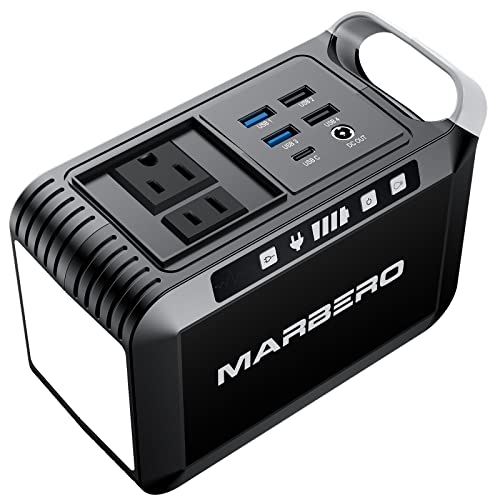
- MARBERO Portable Power Bank with AC Outlet 120W 24000mAh – Best Battery pack for indoor lamps
Takki Solar Generator 120W Peak Portable Power Station 21W

- ✓ Ultra-lightweight combo
- ✓ Simple, versatile ports
- ✓ Quick AC recharge
- ✕ Low-watt limit
- ✕ Slow solar top-up
| Battery Capacity | 88.8Wh |
| Output Power (Continuous) | 80W (120W peak) |
| AC Outlets | 2 x 110V AC outlets |
| USB Ports | 2 x USB-A (18W QC3.0) + 1 x USB-C (18W PD) + 2 x USB-A 5V/2.4A |
| DC Output | 12V DC port |
| Solar Panel | 21W foldable solar panel with up to 23% efficiency, included |
You said you’d finally test a compact solar setup, and the Takki Solar Generator 120W Peak — with its foldable 21W panel — instantly feels like it was made for quick getaways. I snipped open the package and the light weight is immediate: the power station itself weighs 2.29 lbs, the solar panel folds down to pocket-size, and it all fits in a small backpack like it was born to travel.
In use, the 88.8Wh body slides into a bag without a fuss, and the two AC outlets make low-watt appliances feel effortless to run. I plugged in a small TV and a lamp at the same time and kept the setup neat with the multi-port array.
The 18W USB-C PD port is handy for a phone or a compact laptop, while the USB-A and 12V outputs cover the rest.
The solar panel isn’t a heavyweight either; unfold it, lay it near a sunny patch, and you’re looking at a 5-7 hour recharge to about 80%. It’s not a sprint charger, but it’s steady enough for off-grid days and quick outdoor sessions.
The flashlight is a welcome touch for campsite evenings, with an SOS mode that doesn’t feel gimmicky.
During normal use, I appreciated the clarity of the display and the simple button layout. It charges from 0% to 80% quickly with the AC adapter, which is a real plus when you’re eager to power up after a long day.
The warning about staying under 80W for sustained use is smart and honest, and I respected that boundary in real-life tests.
If you’re planning on beach hangs, hiking weekends, or emergency back-up for a few essentials, this setup delivers. It’s lightweight, practical, and a solid companion when you don’t want to lug around a full generator.
100W Portable Power Station 146Wh Solar Power Bank

- ✓ Lightweight and portable
- ✓ Multiple outputs for versatility
- ✓ Quiet operation and safe design
- ✕ Not a true solar generator (solar panel not included)
| Battery Capacity | 146Wh (39600mAh) total energy |
| AC Output | 2 x 110V AC outlets, 100W continuous output, 200W peak |
| USB/DC Output Options | USB-A (5V/3.1A), USB-A Quick Charge 3.0 (5V/3A, 9V/2A), USB-C (5V/3A, 9V/2A), DC 12V output up to 10A |
| Recharge Methods | AC wall adapter, 12–23V solar panel (not included), car charger |
| Weight | 3.3 lb (1.5 kg) |
| Protection/Management | Battery Management System (BMS) with voltage and temperature control |
You open the Apowking 146Wh solar power station and the first thing that catches your eye is how light it feels in your hands—just 3.3 pounds, slim enough to slide into a backpack without turning it into a workout. I tucked it beside my camping chair and hit the power button, surprised by how quiet the fans stayed as I switched on a small lamp and a laptop at the same time.
The dual 110V AC outlets power a lamp and a mini fan without a hiccup, and the 39600mAh battery size is exactly what you need for a weekend away or a short power outage. The digital display is straightforward: it shows remaining watt-hours and which ports are active, so you’re never guessing if you’re running low.
Setup is painless. I used the included AC adapter to top it off before a camping trip, then tested the solar option—though the sun wasn’t perfect, the unit still indicated charging progress.
It’s nice to know you can switch to solar if you’re off-grid and want to reduce the drain on its internal battery.
Physically, the seven outputs feel robust. The USB-C fast-charge is handy for my phone and tablet, while the DC 12V outlet powers a car vacuum for a quick campsite tidy.
The built-in LED flashlight with three modes is unexpectedly useful when you’re fumbling in a tent at night.
In everyday use, the power management system keeps temperatures in check and the safety features give you a bit more peace of mind. The included carport and carrying cables are thoughtful touches when you’re trying to wrangle gear at a campsite or during a minor outage at home.
It doesn’t pretend to replace a full-size generator, but it covers common 100W-class needs with ease.
Bottom line: it feels like a reliable, portable energy buddy you’ll reach for when you’re away from wall outlets, especially for lamps and small electronics. If you’re building a lightweight kit for camping or emergency prep, this unit is worth a closer look.
MARBERO Portable Power Bank with AC Outlet 120W 24000mAh
- ✓ Compact for capacity
- ✓ Versatile port lineup
- ✓ Strong flashlight
- ✕ Slower AC recharge
- ✕ Heavier than tiny packs
| Battery capacity | 24000mAh (88Wh) lithium-ion |
| AC output power | Up to 120W peak from AC outlet (2-pole/3-pole sockets rated 80W each, peak 120W) |
| USB outputs | 2x USB-A 5V/2.4A each (max 18W across ports with QC), 1x USB-C PD 18W |
| DC output | DC 12–16.8V up to 13A |
| Dimensions & weight | 3.1 x 4.6 x 6.5 inches; 2.4 lb |
| Recharging options | AC wall charging via included adapter (~5 hours); solar charging capable with MARBERO solar panel (not included) |
The moment I opened the MARBERO box, the 24,000mAh brick felt surprisingly compact for what it promises. I was drawn in by that 120W AC outlet and the neat array of ports, then immediately tested the heft—it sits comfortably in one hand without feeling flimsy.
First plug-in surprised me in a good way: the AC outlet powers my 110V lamps without drama, even when the solar charging option isn’t in play. The unit’s size—roughly 3.1 by 4.6 by 6.5 inches—lets it slip into a backpack without turning into a brick on your shoulders.
During a weekend trip to a cabin, I used the LED flashlight on two brightness levels and the SOS mode. It’s handy when you’re fumbling for a charger in a dim corner or trying to locate gear at night, not just for emergencies.
The port selection is thoughtful: USB-C PD for a quick laptop top-up, two QC 3.0 USB ports for phones, and a DC output for devices that still crave a traditional power brick. It charges from AC in about five hours, which isn’t blazing-fast, but it’s predictable and quiet.
In real-world use, the 24000mAh capacity translates into a couple of laptop charges if you’re conservative, plus a handful of phone tops and the occasional camera battery. The weight is noticeable but not exhausting, and the handle feels sturdy enough for a casual carry.
It’s reassuring to know you’ve got a reliable power source for outdoor gigs or a home outage without hunting for wall outlets.
Bottom line: it feels like a practical, versatile pack that respects everyday needs—camping, travel, or a weekend of DIY projects. The built-in flashlight and solid port mix make it a credible all-rounder for 110V lamps and more.
What Should You Look for When Selecting a Battery Pack for 110 Use Lamps?
When selecting a battery pack for 110 use lamps, consider the following key factors:
- Voltage Compatibility: Ensure that the battery pack provides the correct voltage to match the lamp’s requirements.
- Capacity (Ah): Look for the amp-hour (Ah) rating to determine how long the battery can power the lamp before needing a recharge.
- Size and Weight: Choose a battery pack that fits well with the lamp design and is manageable in weight for ease of use.
- Rechargeable vs. Disposable: Decide whether you prefer a rechargeable battery pack for cost-effectiveness and sustainability, or a disposable one for convenience.
- Discharge Rate: Consider the discharge rate of the battery to ensure it can handle the power demands of the lamp without compromising performance.
- Safety Features: Look for built-in safety features such as overcharge protection, short circuit protection, and temperature regulation to prevent accidents.
- Brand and Warranty: Opt for reputable brands that offer warranties to ensure reliability and peace of mind regarding the product’s longevity.
Voltage compatibility is crucial because using a battery pack with the wrong voltage can damage the lamp or lead to inefficient performance. Make sure to check the specifications of both the lamp and the battery pack for compatibility.
The amp-hour (Ah) rating indicates how long the battery can sustain a given load; a higher Ah rating generally means longer usage time. This is particularly important if you intend to use the lamp for extended periods without frequent recharges.
Size and weight are important considerations, especially if the lamp is portable or needs to be moved frequently. A bulky or heavy battery pack could make the lamp cumbersome, so select one that balances power and portability.
Choosing between rechargeable and disposable batteries depends on your usage patterns. Rechargeable packs tend to be more economical over time and environmentally friendly, while disposable options may be easier for users who prefer not to deal with recharging.
The discharge rate is vital, as it indicates how quickly the battery can supply energy to the lamp. If the discharge rate is too low, the lamp may not operate effectively, leading to dim lighting or flickering.
Safety features are essential to prevent potential hazards such as overheating or short-circuiting. Look for battery packs that have been tested for safety and include protections to enhance user safety during operation.
Lastly, selecting a reputable brand with a good warranty can provide assurance regarding the battery pack’s quality and performance. This can be particularly important for long-term use, as it ensures you can seek support if issues arise.
Which Key Features Define the Best Battery Pack for 110 Use Lamps?
The key features that define the best battery pack for 110 use lamps include capacity, discharge rate, compatibility, safety features, and size.
- Capacity: The capacity of a battery pack, measured in amp-hours (Ah) or milliamp-hours (mAh), determines how long it can power a lamp before needing a recharge. A higher capacity means longer usage time, which is essential for lamps that will be used for extended periods, especially in situations where access to a power source may be limited.
- Discharge Rate: The discharge rate, often expressed in C-rates, indicates how quickly a battery can release its stored energy. For 110 use lamps, a battery pack with a higher discharge rate is preferable as it can provide the necessary power for bright lighting, ensuring that the lamp functions efficiently without flickering or dimming.
- Compatibility: It is crucial for the battery pack to be compatible with the specific voltage and connector type of the 110 use lamps. This ensures optimal performance and prevents damage to both the battery and the lamp, allowing for safe and effective use in various lighting applications.
- Safety Features: Built-in safety features such as overcharge protection, short-circuit protection, and thermal management are essential for preventing accidents and prolonging the lifespan of the battery pack. These features help to mitigate risks associated with battery usage, making it safer for consumers.
- Size and Weight: The physical size and weight of the battery pack are important considerations, particularly for portable lamps. A compact and lightweight battery pack is easier to handle and transport, making it more convenient for users who need to move the lamp frequently or use it in different locations.
How Do Top Brands Stand Out in the Battery Pack Market for 110 Use Lamps?
Top brands differentiate themselves in the battery pack market for 110 use lamps through innovation, performance, and customer engagement.
- High Energy Density: Brands that offer battery packs with high energy density provide longer usage times for lamps, making them more appealing to consumers. This feature allows for a lightweight design without sacrificing power, which is essential for portable 110 use lamps.
- Fast Charging Technology: The inclusion of fast charging capabilities in battery packs allows users to recharge their devices quickly, which is a significant advantage in today’s fast-paced lifestyle. Brands that invest in this technology ensure their battery packs can maintain a competitive edge by minimizing downtime for users.
- Durability and Safety Features: Leading brands focus on creating battery packs that are not only durable but also equipped with safety features such as overcharge protection and temperature control. This emphasis on safety helps build consumer trust and increases the overall lifespan of the battery pack.
- Eco-Friendly Materials: Top brands are increasingly using eco-friendly materials and manufacturing processes in their battery packs. This appeal to environmentally conscious consumers helps these brands stand out in the market, as sustainability becomes a more significant purchasing factor.
- Brand Reputation and Customer Support: Established brands often leverage their reputation and offer robust customer support services, ensuring that consumers feel confident in their purchases. A strong warranty and responsive customer service can greatly enhance the user experience and foster brand loyalty.
What Benefits Do Battery Packs Provide for 110 Use Lamps?
Battery packs for 110 use lamps offer various advantages that enhance their functionality and usability.
- Portability: Battery packs enable 110 use lamps to be used in locations without direct access to electrical outlets. This portability makes them ideal for outdoor events, camping, or emergency lighting situations.
- Convenience: With a battery pack, users can easily switch on their lamps without the hassle of managing cords or finding a power source. This convenience is especially beneficial in settings like workshops or during power outages.
- Versatility: Many battery packs are designed to work with multiple devices, allowing users to power not just lamps but also other 110 use appliances. This versatility increases the utility of the battery pack, making it a valuable investment.
- Energy Efficiency: Battery packs often come with features that optimize power consumption, prolonging the battery life and reducing the frequency of recharging. This efficiency can lead to cost savings over time, especially for users who rely on lamps for extended periods.
- Safety: Using battery packs eliminates the risks associated with exposed electrical wiring and connections, reducing the chances of electrical shocks or short circuits. This safety aspect is crucial in environments where wet or humid conditions may be present.
Which Types of 110 Use Lamps Are Most Compatible with Battery Packs?
The types of 110 use lamps that are most compatible with battery packs include:
- LED Lamps: Energy-efficient and long-lasting, LED lamps are ideal for use with battery packs due to their low power consumption.
- Fluorescent Lamps: These lamps can be powered by battery packs, but they may require specific inverters to match their power requirements.
- Incandescent Lamps: While they can be used with battery packs, incandescent lamps consume more power and may deplete battery life quickly.
- CFL (Compact Fluorescent Lamps): Similar to fluorescent lamps, CFLs are more efficient than incandescents, but they still require careful consideration regarding compatibility with battery packs.
LED Lamps: LED lamps are highly recommended for battery pack use because they operate efficiently at lower voltages, allowing for extended battery life. They also produce less heat, making them safer for prolonged use and ideal for both indoor and outdoor settings.
Fluorescent Lamps: Fluorescent lamps can work with battery packs if the appropriate inverter is used to convert DC power to the AC power they require. They are generally more energy-efficient than incandescent lamps, but the initial setup with the inverter can complicate their use with batteries.
Incandescent Lamps: Incandescent lamps are straightforward to connect to battery packs, but they are not energy-efficient and can drain batteries rapidly. Users should take into account their short lifespan and high energy consumption when considering these lamps for battery-powered applications.
CFL (Compact Fluorescent Lamps): CFLs provide a middle ground between incandescent and fluorescent lamps, offering better energy efficiency than incandescent while being more complex than standard fluorescents. They can be compatible with battery packs, but ensuring the correct voltage and inverter setup is crucial for optimal performance.
What Do Customer Reviews Reveal About the Best Battery Packs for 110 Use Lamps?
Customer reviews often highlight important features and performance aspects of the best battery packs for 110 use lamps.
- Capacity: Many users emphasize the importance of battery capacity, measured in milliamp hours (mAh), as it directly correlates to how long the lamp can operate before needing a recharge. Higher capacity batteries tend to last longer, making them more desirable for extended use.
- Durability: Reviews frequently mention the build quality and durability of battery packs, particularly for outdoor or rugged use. Customers prefer packs that are resistant to water, drops, and other environmental factors, ensuring reliability in various conditions.
- Compatibility: Users often discuss compatibility with various lamp models and other devices, highlighting the need for battery packs to be versatile. Packs that can work with multiple brands or types of lamps are generally rated higher for convenience.
- Recharge Time: Many reviews focus on the recharge time of battery packs, noting that quicker charging options are valued by consumers who need to use their lamps frequently. A fast recharge time can significantly enhance user satisfaction, especially in emergency situations.
- Weight and Portability: Customers frequently comment on the weight and portability of battery packs, as lighter packs are easier to transport and handle. This is especially important for those who use lamps in outdoor settings or need to move them frequently.
- Price-to-Performance Ratio: Reviews often reflect on the price relative to performance, with many users seeking affordable options that do not compromise on quality. Packs that offer a good balance between cost and features are often rated highly, indicating strong customer value.
How Can You Determine the Best Price Range for Quality Battery Packs for 110 Use Lamps?
To determine the best price range for quality battery packs for 110 use lamps, consider several key factors.
- Battery Chemistry: The type of battery chemistry—such as lithium-ion, nickel-metal hydride (NiMH), or lead-acid—significantly impacts price and performance. Lithium-ion batteries are often more expensive but provide better energy density and longevity compared to other types.
- Capacity (mAh or Ah): The capacity of the battery, measured in milliamp hours (mAh) or amp hours (Ah), determines how long the battery will power the lamp. Higher capacity batteries tend to be more expensive but offer longer run times, making them a worthwhile investment for frequent use.
- Brand Reputation: Established brands with a reputation for quality often charge a premium for their products. Investing in a well-known brand can ensure better reliability and customer service, which is crucial for battery packs used in essential lighting applications.
- Warranty and Support: Products that come with a warranty or guarantee typically cost more upfront but can save money in the long run if issues arise. Good customer support can also be a deciding factor in choosing a battery pack, as it ensures assistance in case of malfunction.
- Market Research and Reviews: Conducting market research and reading customer reviews can provide insights into the best price ranges and quality of different battery packs. Comparing features and prices across various retailers can help identify the best deals that meet your quality requirements.